Curly Pasta: A Strategic Approach to Integrating Unique Display Fonts into Creative Workflows
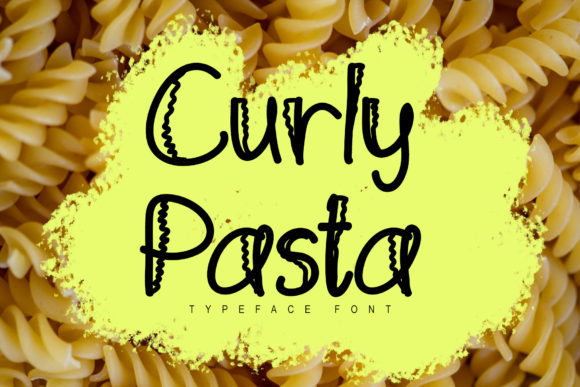
In the landscape of digital design and physical crafting, typography often serves as the silent architect of user experience. While body text prioritizes readability, display fonts dictate the emotional tone and visual hierarchy of a project. Among the vast array of typefaces available, Curly Pasta emerges not merely as a decorative element, but as a distinctive asset for creators seeking to inject personality into their work. This unique display font, characterized by its whimsical, organic curves, fits seamlessly into workflows ranging from high-stakes marketing presentations to intimate greeting card designs.
Understanding how to leverage Curly Pasta requires moving beyond simple aesthetic appreciation. It demands a strategic approach to integration, ensuring that the font’s inherent versatility enhances rather than hinders the communication goal. For professionals, freelancers, and hobbyists alike, mastering the application of such specific typographic tools can significantly elevate the quality and impact of final outputs.
Defining the Asset: What Makes Curly Pasta Distinct?
Curly Pasta is best described as a quirky, hand-drawn style display font. Its name suggests a playful, tactile quality, reminiscent of twisted noodles or organic, flowing lines. Unlike rigid geometric sans-serifs or formal serifs, Curly Pasta introduces a sense of movement and informality. This makes it particularly effective in contexts where warmth, creativity, and approachability are desired.
The font’s structure allows it to function well in both digital and physical mediums. In digital environments, its curves render sharply on screens, maintaining legibility even at larger sizes. When used in physical crafting—such as laser cutting, vinyl plotting, or hand-lettering—the organic nature of the strokes translates beautifully into tangible materials. Recognizing these dual capabilities is the first step in integrating the font into a broader creative process.
Pre-Production: Planning and Conceptualization
Effective implementation begins before the font is ever placed on a canvas. During the planning phase, designers and content creators must assess whether Curly Pasta aligns with the project’s core message. Because display fonts carry strong stylistic weight, they should be reserved for headlines, titles, key phrases, or accent text, rather than lengthy paragraphs.
- Audience Alignment: Consider the target demographic. If the audience consists of corporate stakeholders requiring strict professionalism, Curly Pasta may feel too casual. However, for lifestyle brands, educational materials for younger audiences, or creative portfolios, the font’s charm is an asset.
- Brand Consistency: Evaluate how this font interacts with existing brand guidelines. If your brand voice is established as serious and authoritative, introducing Curly Pasta might create dissonance. Conversely, if your brand aims to appear innovative, friendly, or artisanal, this font can reinforce those traits.
- Asset Preparation: Ensure you have access to all necessary weights and styles within the Curly Pasta family. Some display fonts offer variations in thickness or slant that can provide additional flexibility during the layout process.
By conducting this preliminary analysis, you prevent common pitfalls such as overuse or inappropriate context placement. This stage of workflow optimization ensures that the font serves the content, not the other way around.
Implementation in Digital Design and Presentations
When applying Curly Pasta to digital projects, attention to contrast and spacing is paramount. The irregular curves of the letters require more breathing room than standard typefaces to maintain clarity. Poor kerning (the space between individual characters) can cause the curly elements to collide visually, reducing readability.
Visual Hierarchy and Contrast
To maximize impact, pair Curly Pasta with a clean, neutral sans-serif or serif font for supporting text. This combination creates a clear visual hierarchy. The eye is drawn to the distinctive shape of Curly Pasta in headings, while the neutral companion font ensures that detailed information remains easy to scan. This technique is particularly effective in slide decks, blog headers, and social media graphics.
For example, in a presentation about autumn trends, using Curly Pasta for the title "Fall Flavors" immediately sets a seasonal, cozy mood. The accompanying bullet points, rendered in a simple Arial or Helvetica, deliver the data without competing for attention. This separation of roles allows each typographic element to perform its specific function efficiently.
Digital Workflow Integration
Most modern design software, including Adobe Illustrator, Photoshop, Canva, and Affinity Designer, supports custom font installation. To streamline your workflow:
- Install the Curly Pasta font files (.ttf or .otf) directly into your operating system’s font library.
- Create a dedicated style guide or template file that includes pre-set text boxes utilizing Curly Pasta. This reduces repetitive formatting tasks.
- Use character panels to manually adjust tracking (letter-spacing) if the default spacing feels too tight or loose for your specific design needs.
This systematic approach ensures consistency across multiple projects, saving time and reducing cognitive load during the execution phase.
Physical Crafting and Tangible Applications
The utility of Curly Pasta extends beyond pixels into the realm of physical production. For crafters, small business owners, and educators, the font’s unique shapes offer exciting possibilities for tangible products.
Laser Cutting and Vinyl Plotting
One of the most popular use cases for Curly Pasta is in sign-making and decoration. The font’s continuous, swirling lines make it ideal for laser-cut wood signs, acrylic decals, or vinyl window clings. When preparing vector files for these applications, ensure that the paths are closed and optimized to prevent cutting errors. The intricate curls may require careful nesting in design software to minimize material waste.
Furthermore, the font’s aesthetic lends itself well to seasonal themes. During the fall season, for instance, Curly Pasta can be used to create festive banners, table numbers, or gift tags. The organic feel of the letters complements natural textures like burlap, kraft paper, and dried flowers, creating a cohesive thematic experience.
Greeting Cards and Stationery
In the realm of personal stationery, Curly Pasta adds a touch of elegance mixed with playfulness. It is particularly effective for handwritten-style invitations or personalized notes. When designing greeting cards, consider using the font in conjunction with watercolor backgrounds or textured paper stocks. The interplay between the digital precision of the font and the organic nature of the paper enhances the overall perceived value of the product.
Quality Control and Long-Term Usability
Sustainable creative practices involve regular review and maintenance of assets. As design trends evolve, the relevance of specific fonts may shift. However, Curly Pasta’s timeless, whimsical nature ensures it remains a viable option for various long-term projects.
To maintain quality control:
- Test Across Devices: Always preview your designs on different screen sizes and resolutions. Ensure that the fine details of the curly strokes do not pixelate or become illegible on smaller mobile displays.
- Accessibility Checks: While display fonts are decorative, they should still meet basic accessibility standards. Ensure sufficient color contrast between the text and background. Avoid using Curly Pasta for critical instructional text where misinterpretation could lead to confusion.
- File Management: Keep organized backups of your font files and associated design templates. Cloud storage solutions can facilitate collaboration among team members, ensuring everyone is working with the correct typographic assets.
Strategic Outcomes and Final Thoughts
Integrating Curly Pasta into your workflow is not just about making things look pretty; it is about enhancing communication through deliberate stylistic choices. By understanding the font’s strengths—its whimsy, its organic flow, and its versatility—you can deploy it strategically to achieve specific outcomes.
Whether you are crafting a heartfelt greeting card, designing a vibrant marketing campaign, or producing educational materials, Curly Pasta offers a unique voice. It breaks the monotony of standard typography, inviting the viewer to engage more deeply with the content. The key lies in balanced application: using the font where it shines, pairing it effectively with complementary types, and maintaining rigorous attention to detail throughout the production process.
As you incorporate Curly Pasta into your future projects, remember that typography is a language. Let the curves of Curly Pasta speak volumes, adding a layer of personality and polish to every design decision. With thoughtful preparation and precise execution, this unique display font can become an indispensable tool in your creative arsenal, helping you produce spectacular designs that resonate with audiences and stand out in a crowded marketplace.