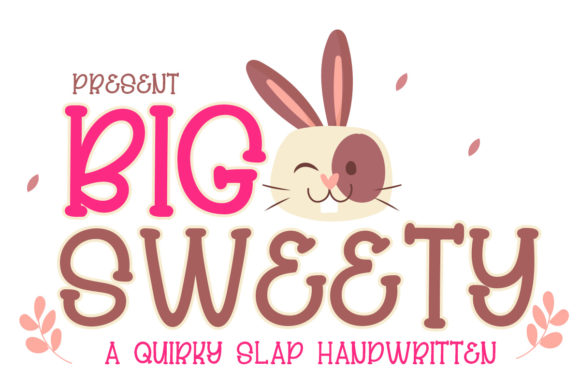
Big Sweety: Integrating a Cute Display Font into Professional Design Workflows
In the landscape of digital typography, fonts are rarely just decorative elements; they are functional tools that dictate the rhythm, tone, and readability of a project. Among the vast array of typefaces available to designers, developers, and content creators, Big Sweety stands out as a distinctive choice for specific contexts. It is a cute and friendly display font characterized by its natural and unique style. While it may not serve as the primary body text for a dense technical manual or a legal contract, its application within broader design systems can significantly enhance user engagement when deployed with strategic intent.
This article explores how Big Sweety fits into practical workflows for professionals, creators, entrepreneurs, and marketers. We will examine where this font belongs in the creative process, how it interacts with other design assets, and the considerations necessary for its effective implementation across various platforms and media types.
Understanding the Role of Display Fonts in Modern Design
Before integrating Big Sweety into a project, it is essential to understand the category of typography it occupies. Display fonts are designed to be read at large sizes. Their primary function is to capture attention, convey mood, and establish a brand voice instantly. Unlike serif or sans-serif body fonts, which prioritize legibility over long periods of reading, display fonts like Big Sweety prioritize personality.
The "cute" aesthetic associated with Big Sweety does not imply childishness in a negative sense. Rather, it suggests approachability, warmth, and friendliness. For small business owners, educators, bloggers, and hobbyists, this tone is often exactly what is needed to build trust and connection with an audience. However, using such a font requires discipline. The risk lies in overuse, which can lead to visual clutter and reduced professionalism if not balanced correctly.
Strategic Placement in the Creative Process
Integrating Big Sweety effectively requires planning at different stages of a project lifecycle. Whether you are designing a logo, creating social media assets, or developing educational materials, the placement of the font determines its impact.
Pre-Production and Branding
In the early stages of branding, defining your visual hierarchy is critical. Big Sweety can serve as a powerful anchor for headlines, logos, or key messaging pillars. If your brand identity revolves around creativity, family-friendly services, or artisanal products, incorporating Big Sweety into your brand guidelines ensures consistency. Documenting the specific use cases—such as "used only for H1 headers" or "reserved for promotional banners"—helps maintain quality control as the brand scales.
Consider pairing Big Sweety with a clean, neutral sans-serif font for subheadings and body text. This contrast creates a professional structure while allowing the display font to shine. For example, a bakery might use Big Sweety for the shop name on signage and marketing materials, while relying on a simple Helvetica or Roboto for menus and operational details. This combination leverages the unique style of Big Sweety without compromising readability.
Content Creation and Marketing
For marketers and freelancers, Big Sweety is particularly useful in short-form content where immediate emotional resonance is required. Social media graphics, email subject lines (when used carefully), and event posters benefit from its friendly appearance. In these contexts, the font acts as a visual hook, stopping the scroll and inviting the user to engage further.
When creating blog posts or articles, consider using Big Sweety for pull quotes or section dividers rather than standard paragraphs. This breaks up text visually and adds a layer of personality to the reading experience. Educators can utilize this font in worksheets or presentation slides to make learning materials feel less intimidating and more inviting for students.
Technical Considerations and Compatibility
Implementation extends beyond aesthetic choices. Technical compatibility ensures that your designs render correctly across devices and browsers. Before finalizing any asset that includes Big Sweety, several factors must be evaluated.
- File Formats: Ensure you have access to the correct file formats (TTF, OTF, WOFF, WOFF2) depending on your platform. Web fonts require optimized versions to ensure fast load times, which is crucial for SEO and user experience.
- Kerning and Tracking: Display fonts often have unique spacing characteristics. Big Sweety’s natural style may require manual adjustment of kerning pairs to ensure letters sit comfortably together. Neglecting this step can result in awkward gaps or overlapping characters, undermining the professional quality of the design.
- Resolution and Scalability: As a display font, Big Sweety is intended for larger sizes. Using it at very small sizes (e.g., under 12pt) can cause pixelation or loss of detail, especially if the font has intricate strokes. Always test the font at the smallest size it will appear in the final output.
Workflow Integration for Teams and Freelancers
For teams working on collaborative projects, maintaining consistency with specialized fonts like Big Sweety requires clear communication and organized asset management. Freelancers and agency owners should integrate font licensing and usage into their project onboarding process.
Asset Organization
Store Big Sweety files in a centralized, accessible location within your design system. Label them clearly with version numbers and licensing information. When handing off files to clients or team members, include a brief note on recommended usage. For instance, specify that the font should not be stretched or distorted, as this can ruin its natural proportions.
Consistency Across Channels
If you are managing a multi-channel presence, ensure that Big Sweety is applied consistently wherever the brand voice calls for it. A mismatched font choice between a website header and a printed flyer can confuse audiences and dilute brand recognition. Use style guides to define the hierarchy: Big Sweety for primary emphasis, paired fonts for secondary information.
Long-Term Use and Adaptability
Trends in design evolve, but certain typographic choices remain timeless due to their versatility. Big Sweety’s cute and friendly nature aligns well with current trends toward human-centric design, where authenticity and warmth are valued over rigid corporate aesthetics. However, it is important to monitor context. What works for a children’s book cover or a craft fair banner may not suit a financial report or a healthcare policy document.
Regularly audit your use of Big Sweety to ensure it still serves your goals. Ask yourself questions such as:
- Does the font enhance the message, or does it distract from it?
- Is the tone appropriate for the target audience?
- Are we maintaining visual harmony with surrounding elements?
By answering these questions, you can refine your approach and keep your designs fresh and relevant. The limit is indeed your imagination, but that imagination must be guided by purpose.
Conclusion
Big Sweety is more than just a cute display font; it is a tool for conveying warmth and approachability in a digital world that often feels cold and impersonal. By understanding its role in the design process, respecting its technical limitations, and integrating it strategically into your workflows, you can leverage its unique style to create compelling, effective designs. Whether you are a small business owner crafting your first logo or a marketer launching a new campaign, Big Sweety offers a flexible solution for adding personality to your work. Remember to pair it wisely, test it thoroughly, and always prioritize the needs of your audience. In doing so, you transform a simple typographic choice into a meaningful component of your overall communication strategy.