Fissure: The Dry Brush Display Font That Brings Raw Texture to Your Brand
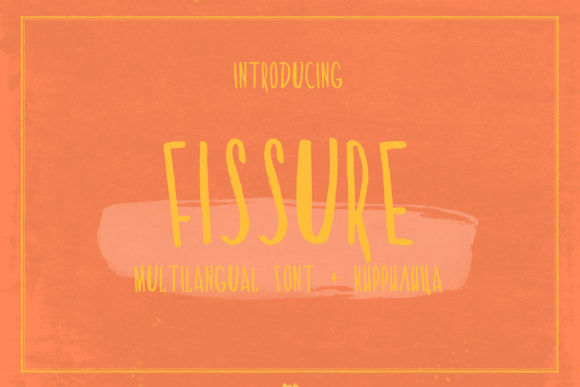
When you are looking for a typeface that commands attention without shouting, Fissure steps into the spotlight with a distinct personality. It is not just another sans-serif or serif; it is a display font characterized by a dry brush texture made from marker. This specific aesthetic gives it an organic, hand-crafted feel that stands out sharply against the polished, vector-perfect fonts that dominate digital interfaces. If you are a designer, marketer, or creative director seeking to inject grit, authenticity, and immediate visual impact into your projects, understanding where and how to use Fissure can transform your design workflow.
The Aesthetic Appeal of Imperfection
In a world saturated with clean lines and minimalist design, there is a growing appetite for imperfection. Fissure taps directly into this trend. The "dry brush" effect mimics the look of ink running out on a felt-tip marker, creating uneven edges, subtle gaps, and a tactile quality that feels human-made. This is particularly effective in industries where trust, heritage, or raw energy are key selling points. Unlike fonts that rely on complex ligatures or intricate serifs to convey character, Fissure uses texture to do the heavy lifting.
This texture makes the font inherently versatile for backgrounds and overlays. Because the letters have a rougher edge, they tend to blend slightly more naturally with photographic textures than crisp geometric fonts might. However, this also means it requires thoughtful placement. It is designed to be read at larger sizes—making it a quintessential display font—rather than for long-form body copy. When used correctly, it adds a layer of depth that flat colors simply cannot achieve.
Real-World Applications Across Industries
The utility of Fissure extends far beyond simple typography exercises. Its unique texture allows it to serve as a powerful branding tool across several diverse sectors. Here is how different professionals are leveraging its strengths in practical scenarios.
Logo Design and Product Branding
For startups in the craft beer, artisanal coffee, or handmade goods space, Fissure offers an instant association with quality and authenticity. Imagine a logo for a local brewery where the name is rendered in Fissure. The dry brush texture suggests small-batch production and hands-on craftsmanship, reinforcing the brand story before the customer even reads the tagline. Similarly, for product packaging, especially in the beauty or wellness industry, using Fissure for headlines can convey a sense of natural ingredients and organic origins. It signals to the consumer that the product is not mass-produced but curated.
Event Posters and Music Industry Graphics
If you are designing promotional materials for live events, Fissure shines. Concert posters, festival lineups, and club flyers often benefit from a sense of urgency and energy. The marker-like quality of the font evokes the DIY ethos of punk rock, indie music scenes, or underground art exhibitions. It pairs exceptionally well with high-contrast photography or distressed background textures. For event organizers, this font helps create a visual identity that feels immediate and unpolished, which resonates strongly with younger demographics who value raw expression over corporate polish.
Social Media Content and Digital Overlays
In the fast-paced world of social media, stopping the scroll is half the battle. Fissure is an excellent choice for text overlays on Instagram stories, YouTube thumbnails, or TikTok video intros. Its bold presence ensures legibility even on small mobile screens, provided the contrast is managed well. Content creators in niches like fitness, travel, or street photography can use Fissure to add a dynamic flair to their captions. The font’s texture complements action shots and landscape imagery, adding a graphic element that ties the visual narrative together without overwhelming the image.
Technical Considerations and Best Practices
While Fissure is a robust tool, it comes with specific technical characteristics that designers must respect to ensure their work looks professional rather than accidental. Understanding these nuances will help you avoid common pitfalls.
- Limited Character Set: As a display font, Fissure typically includes uppercase letters, numerals, and essential glyphs. It does not usually include lowercase letters or extensive punctuation. This limitation actually serves as a design constraint that encourages creativity. You are forced to think about layout, spacing, and pairing with other typefaces. It prevents the mistake of using it for paragraphs of text, which would be illegible and visually exhausting.
- Pairing Strategy: Because Fissure is so visually dominant, it needs a quiet partner. Pairing it with a clean, neutral sans-serif or a classic serif for secondary information creates a balanced hierarchy. For example, you might use Fissure for the main headline "SUMMER SALE" and a simple Helvetica or Roboto for the details like dates and store locations. This contrast highlights the personality of Fissure while maintaining readability.
- Color and Background Contrast: The dry brush texture can sometimes lose detail if placed on busy or low-contrast backgrounds. To maintain the integrity of the font, ensure there is sufficient contrast between the text color and the background. Dark modes work well, as do light backgrounds with dark, bold text. Avoid placing Fissure over photographic elements with similar textures, as the letterforms may get lost in the noise.
- Scaling and Resolution: Since Fissure relies on texture, scaling it down too small can cause the brush strokes to blur or become muddy. Always preview your designs at their final output size. If you are printing large banners, the texture will pop beautifully. On very small web icons or UI elements, however, it may not render clearly. Stick to display sizes for maximum impact.
Who Benefits Most from Fissure?
The audience for Fissure is broad, but certain user profiles will find it indispensable. Graphic designers working on branding packages for lifestyle brands will appreciate the time it saves in conveying a "handmade" vibe without needing custom illustration. Marketing specialists launching campaigns for products that emphasize natural or rugged qualities will find it a go-to asset for ad creatives. Even hobbyists creating personal projects, such as zines, scrapbooks, or home decor prints, can use Fissure to add a touch of professional-grade texture to their DIY efforts.
Moreover, businesses looking to differentiate themselves in crowded markets benefit from the emotional connection Fissure fosters. In an era where consumers are skeptical of overly polished corporate messaging, a font that shows its "brushstrokes" feels more honest and transparent. It breaks the fourth wall of design, reminding the viewer that there is a human behind the brand.
Final Thoughts on Integration
Incorporating Fissure into your design toolkit is less about memorizing its features and more about recognizing when its mood aligns with your message. It is a font that demands confidence. It works best when you let it lead the visual conversation. Whether you are crafting a logo that needs to stick in the mind, a poster that needs to energize a crowd, or a social post that needs to stand out in a feed, Fissure provides the texture and attitude necessary to make that happen. By respecting its limitations and playing to its strengths, you can create designs that feel fresh, authentic, and undeniably human.