Faux African: A Bold Display Font for High-Impact Design
When you are working on a design project, the typography you choose does more than just convey text—it sets the emotional tone. It tells the viewer how to feel before they even read a single word. If you are looking for a typeface that commands attention, offers unique character, and brings a distinct visual flair to your work, Faux African is a display font worth exploring. This isn't just another standard sans-serif or serif; it is an incredibly cool and interestingly designed display font that stands out in crowded digital feeds and printed materials alike.
The name itself suggests a specific aesthetic—one that draws inspiration from tribal patterns, bold geometric shapes, and rhythmic structures often associated with traditional African art motifs, reimagined through a modern lens. The result is a font that feels both ancient and contemporary, grounded yet energetic. Whether you are a graphic designer crafting a brand identity or a small business owner creating a weekly social media post, understanding where this font fits can transform your output from generic to memorable.
Understanding the Visual Identity of Faux African
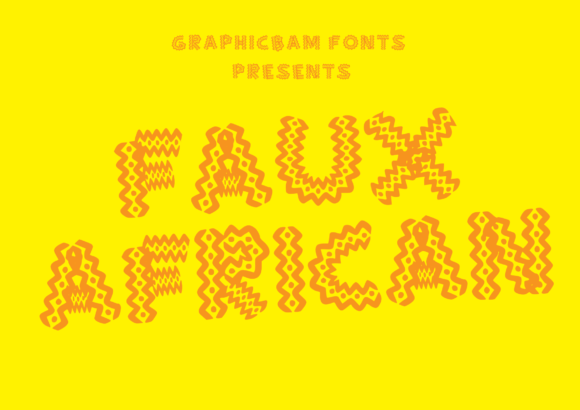
To use any font effectively, you must first understand its personality. Faux African is characterized by thick strokes, sharp angles, and a playful irregularity that keeps the eye moving. Unlike rigid grid-based fonts, Faux African has a hand-crafted feel, as if each letter was stamped or carved. This organic quality makes it excellent for headlines where you need immediate impact.
The "faux" aspect of the name doesn't imply deception but rather a stylistic interpretation. It captures the essence of African typographic traditions—often seen in textiles, carvings, and signage—and translates them into a usable digital format. For designers, this means you get the visual weight and cultural resonance without the complexity of using actual decorative symbols that might be difficult to read at smaller sizes. It strikes a balance between legibility and artistic expression.
Real-World Applications for Creators and Marketers
The versatility of Faux African lies in its ability to adapt to various contexts while maintaining its strong voice. Here is how different professionals can leverage this font in their daily workflows.
Event Posters and Flyer Design
If you are organizing a music festival, a cultural fair, or a community workshop, your poster needs to stop people in their tracks. Faux African is stunning on any poster flyer or print because its bold nature ensures readability from a distance. Imagine a concert poster for an Afrobeat artist or a jazz night with global influences. Using Faux African for the main event title creates an instant connection to the genre's roots while keeping the layout clean and modern. Pair it with a minimalist background to let the letters breathe, or overlay it on textured paper designs for a tactile, premium feel.
Social Media Content for Lifestyle Brands
In the age of scrolling, static images and short videos compete for milliseconds of attention. For entrepreneurs and marketers, Faux African can be a secret weapon for Instagram stories, Pinterest pins, or Facebook ads. When promoting products related to travel, fashion, food, or wellness, this font adds a layer of sophistication and exoticism without feeling cliché. For example, a boutique hotel could use it for room names or welcome signs in their promotional graphics. A yoga studio might use it for class schedules to evoke a sense of grounding and strength. The key is to use it sparingly—as a headline accent rather than body text—to maintain elegance.
Educational Materials and Workshops
Educators and trainers often struggle to make learning materials engaging for adult learners. Standard academic fonts can feel dry and intimidating. By incorporating Faux African into slide decks, handouts, or workshop banners, educators can inject energy and creativity into their presentations. It works particularly well for topics related to anthropology, history, art, or global studies. For instance, a module on world cultures could use Faux African for section headers, helping students visually categorize information. It signals that the content is dynamic and thoughtfully curated.
Commercial Use Cases Beyond Graphics
While digital design is obvious, the application of Faux African extends into physical branding and merchandise, which is crucial for small business owners and hobbyists.
- Apparel and Merchandise: Printing Faux African on t-shirts, tote bags, or mugs requires careful consideration of placement. Because the letters have such strong presence, they look great centered on the chest of a hoodie or across the front of a canvas bag. It appeals to consumers who appreciate artisanal and culturally inspired aesthetics.
- Restaurant Menus and Signage: Cafes specializing in international cuisine, particularly those focusing on African or fusion dishes, can use this font for menu categories or chalkboard specials. It enhances the thematic experience of dining, making the environment feel immersive.
- Packaging Design: For handmade goods like soaps, candles, or spices, packaging is the first touchpoint. Using Faux African on labels can differentiate a product on a crowded shelf. It suggests authenticity and craftsmanship, qualities that modern consumers value highly.
Practical Considerations Before You Download
Before you incorporate Faux African into your next project, there are practical steps to ensure you get the best results and avoid common pitfalls. Typography is not one-size-fits-all, and what works for a billboard may fail on a mobile screen.
Legibility and Hierarchy
Display fonts like Faux African are meant for large sizes. Using it for paragraphs of text will overwhelm the reader and reduce comprehension. Always pair it with a simple, neutral sans-serif or serif font for body copy. This contrast creates a clear visual hierarchy, guiding the user’s eye from the catchy headline down to the detailed information. For example, use Faux African for the title "Summer Sale" and a clean Helvetica or Roboto for the terms and conditions.
Licensing and Usage Rights
As a creator or business owner, respecting intellectual property is non-negotiable. Ensure you purchase the correct license for your intended use. Personal projects usually require a basic license, while commercial ventures involving mass production or advertising may need an extended license. Check the provider’s terms regarding web embedding, app usage, and print runs. Ignoring these details can lead to legal issues and financial penalties down the line.
Color and Background Contrast
The effectiveness of Faux African relies heavily on contrast. Its bold shapes can disappear against busy backgrounds or low-contrast colors. Test your design in black and white first to ensure the letterforms remain distinct. Then, introduce color strategically. Earth tones like terracotta, olive green, and deep brown complement the font’s aesthetic naturally, but high-contrast combinations like black on white or neon yellow on black can create a striking, modern look depending on your brand vibe.
Why Faux African Stands Out in a Crowded Market
In a sea of identical corporate fonts, Faux African offers a way to break the monotony. It provides a narrative hook—a story of culture, rhythm, and boldness—that plain fonts cannot convey. For bloggers and publishers, it can help establish a unique editorial voice. For freelancers, it demonstrates an eye for detail and trend-awareness. For everyday users, it simply makes personal projects like birthday invitations or scrapbooks feel more special and considered.
Ultimately, the power of Faux African comes from its ability to evoke emotion. It is not just a tool for writing words; it is a tool for setting a mood. When used thoughtfully, it elevates the entire design, turning ordinary communications into compelling visual statements. Explore its endless possibilities by experimenting with scale, spacing, and pairing. You might find that this single font becomes the cornerstone of your visual identity, offering a distinctive edge in every project you undertake.