Extra Giant: A Bold Display Font for High-Impact Design
In the landscape of digital and print typography, finding a typeface that commands immediate attention without sacrificing legibility is a persistent challenge. Most display fonts struggle to balance visual weight with readability at various scales. Extra Giant emerges as a distinct solution to this problem, offering a rough-textured, bold aesthetic designed specifically for high-impact applications. This review examines the font’s structural characteristics, its practical utility in marketing and creative projects, and the specific contexts where it delivers the most value.
Defining the Visual Identity of Extra Giant
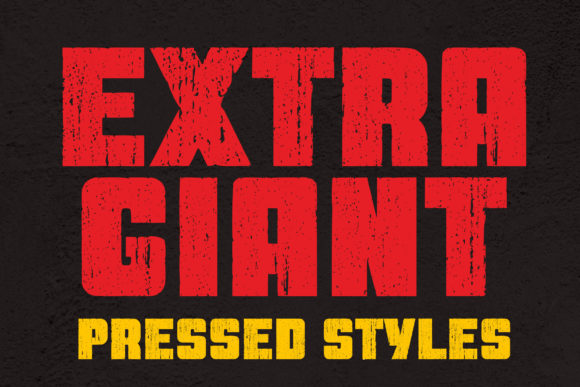
The primary characteristic of Extra Giant is its aggressive, textured surface. Unlike clean, geometric sans-serifs or refined serif faces, this typeface embraces a distressed, grunge-inspired finish. The letters appear worn, stamped, or stenciled, creating an organic irregularity that contrasts sharply with the precision of vector-based design software. This texture is not merely decorative; it serves to give the typography a tactile quality, suggesting physical presence even on a flat screen.
The "Giant" aspect of the name refers to its scale and presence. The letterforms are thick and substantial, occupying significant visual space. This makes the font inherently loud. It does not whisper; it shouts. For designers working on posters, flyers, or social media graphics where the goal is to stop the scroll or catch the eye from a distance, this inherent volume is a critical asset. The rough texture adds depth, preventing the bold shapes from appearing flat or monotonous.
Practical Applications in Print and Digital Media
While many fonts have limited use cases, Extra Giant is purpose-built for display work. Its strength lies in environments where brevity and impact are prioritized over extended reading. Below are the primary scenarios where this font demonstrates its highest effectiveness:
- Event Posters and Flyers: Concerts, festivals, and club nights often rely on a sense of energy and rebellion. The rugged texture of Extra Giant aligns naturally with these themes, conveying a raw, unpolished vibe that resonates with target audiences seeking excitement.
- Social Media Graphics: In crowded feeds, text needs to be instantly readable. The heavy weight of Extra Giant ensures that headlines remain visible even when viewed on small mobile screens. When paired with contrasting backgrounds, the font maintains its integrity.
- Brand Logos and Wordmarks: For brands aiming to project strength, durability, or industrial reliability—such as construction firms, fitness centers, or craft breweries—this font provides an instant visual shorthand for those qualities.
- Merchandise Design: T-shirts, hats, and stickers benefit from the stencil-like quality of the font. The rough edges allow for cleaner printing processes and add a vintage appeal that appeals to modern fashion trends.
Analyzing Usability and Workflow Integration
From a technical standpoint, using a textured display font requires careful handling. The effectiveness of Extra Giant depends heavily on how it is integrated into a broader design system. Because the font itself carries so much visual noise, pairing it correctly is essential to avoid a cluttered composition.
Pairing Strategies
To maximize readability, Extra Giant should generally be paired with simple, neutral typefaces for body text. Clean sans-serifs like Helvetica, Roboto, or Open Sans provide the necessary contrast to let the headline breathe. If both the headline and body text are complex or textured, the design risks becoming visually chaotic. The rule of thumb here is simplicity in support roles to highlight the complexity of the display font.
Kerning and Spacing Considerations
The rough texture can sometimes interfere with standard kerning pairs. Letters may appear to overlap or collide more aggressively than they would in a smooth font. Designers must manually adjust spacing in certain combinations to ensure that the negative space between characters remains clear. This is particularly important when the font is used at smaller sizes, where the texture might cause the letters to blur together into an illegible mass.
Evaluating Quality and Long-Term Value
When assessing the long-term value of a font like Extra Giant, one must consider versatility versus specialization. This is not a Swiss Army knife typeface; it is a specialized tool. Its limitations are also its strengths. It is unlikely to be suitable for corporate annual reports, legal documents, or academic papers. However, within its niche, it offers high performance.
The quality of the texture is a key differentiator. Low-quality grunge fonts often suffer from pixelation or inconsistent erosion patterns that look artificial. A well-executed version of Extra Giant will maintain its character across different resolutions and print densities. For digital use, ensuring the file format supports the nuances of the texture (such as SVG or high-res PNG) is crucial. For print, the ink spread on paper can actually enhance the intended effect, making the font feel more authentic.
Who Should Use Extra Giant?
This font is best suited for professionals who understand the power of visual hierarchy. It is ideal for:
- Marketing Professionals: Those creating campaign assets that need to convey urgency, excitement, or edginess.
- Freelance Graphic Designers: Individuals looking to add a distinctive flair to client projects in the entertainment, lifestyle, or industrial sectors.
- Small Business Owners: Entrepreneurs who want their branding to stand out without hiring a custom type designer. Using a pre-existing bold font can provide a professional yet unique look.
- Content Creators: Bloggers and YouTubers designing thumbnails or banner art where click-through rates depend on strong visual hooks.
Conversely, users seeking elegant, minimalist, or traditional aesthetics will find this font unsuitable. It is a statement piece, not a background element.
Potential Limitations and Best Practices
No font is without its drawbacks. The primary limitation of Extra Giant is its lack of subtlety. Overusing the font can lead to visual fatigue. If every word in a design is set in Extra Giant, the message loses emphasis because everything is shouting equally. Strategic restraint is required. Use the font for headlines, keywords, or short phrases, and rely on other typographic tools for supporting information.
Another consideration is accessibility. The rough texture can reduce legibility for individuals with visual impairments or dyslexia. While the bold weight helps, the irregular shapes may pose challenges for some readers. It is good practice to ensure sufficient contrast and size when using this font for public-facing materials, and to always provide alternative text or clearer typography for detailed content.
Conclusion
Extra Giant is a powerful addition to any designer’s toolkit, provided it is used with intention. It excels in creating bold, memorable impressions for print and digital displays. Its rough, textured aesthetic adds character and depth that clean fonts often lack. By understanding its strengths in impact and its limitations in versatility, creators can leverage this font to produce designs that are not only seen but felt. For projects demanding authority, energy, and a touch of rebellion, Extra Giant delivers a compelling visual solution.