Evaluating Native Roast: A Practical Guide to Bold Vintage Display Typography
In the landscape of visual communication, typography serves as the primary vehicle for tone and intent. When a brand or designer seeks to convey strength, heritage, or unapologetic confidence, the choice of typeface becomes critical. Among the various options available for creating high-impact visual identities, Native Roast has emerged as a distinctive solution for projects requiring a bold, thick, and vintage-styled aesthetic. This article provides a comprehensive evaluation of Native Roast, examining its design characteristics, ideal use cases, and how it compares to broader categories of display fonts to help you determine if it is the right tool for your specific project.
Understanding the Design DNA of Native Roast
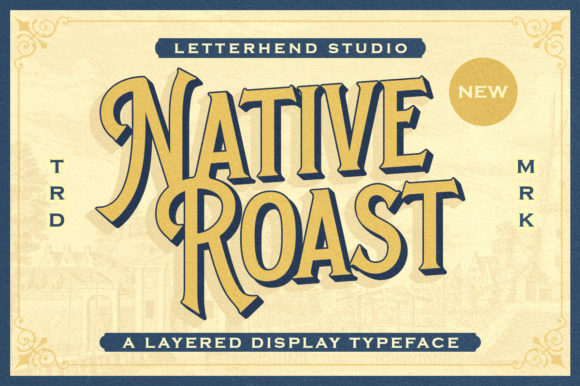
At its core, Native Roast is classified as a display font, meaning it is designed to be used at large sizes rather than for body text. Its defining characteristic is its weight; it is undeniably bold and thick. This substantial presence allows it to command attention immediately, making it suitable for headlines, posters, and logo marks where legibility from a distance is paramount. The letterforms are constructed with a heavy hand, offering a sense of stability and permanence that lighter weights cannot achieve.
What truly sets Native Roast apart, however, is its vintage styling. Unlike modern geometric sans-serifs that prioritize minimalism and neutrality, Native Roast carries the visual cues of earlier eras in graphic design history. It evokes the feeling of mid-century packaging, classic signage, and retro advertising. This stylistic choice is not merely decorative; it communicates a narrative of authenticity, craftsmanship, and timelessness. For designers working on projects that aim to tap into nostalgia or establish a connection to traditional values, this inherent character reduces the need for additional graphical embellishments.
The font’s versatility lies in its simplicity combined with its strong personality. Because the letters are thick and distinct, they remain readable even when scaled down slightly or placed over complex backgrounds, provided contrast is maintained. This makes it a robust choice for applications where clarity is often compromised by busy visual environments.
Ideal Applications and Use Cases
Given its specific aesthetic profile, Native Roast is not a universal solution for every typographic challenge. Instead, it excels in niche areas where its bold, vintage nature aligns with the brand message. Understanding these fit scenarios is crucial for effective implementation.
- Branding and Identity Systems: For businesses aiming to project a rugged, artisanal, or heritage-focused image, Native Roast can serve as a powerful logotype. Its thickness ensures visibility across various media, from small product labels to large outdoor signage.
- Labeling and Packaging: In the food and beverage industry, particularly for products like coffee, craft beer, or organic goods, vintage-style typography suggests quality and tradition. Native Roast fits seamlessly onto packaging designs that wish to stand out on crowded shelves through sheer visual weight.
- Apparel Design: T-shirts, hoodies, and hats often rely on graphic typography to convey attitude. Native Roast’s bold strokes translate well to screen printing and embroidery, ensuring that the design remains impactful whether viewed up close or from afar.
- Event Posters and Marketing Materials: For concerts, festivals, or local events, especially those with a rock, blues, or Americana theme, this font provides an instant atmospheric cue. It eliminates ambiguity about the event’s vibe, allowing the imagery to take center stage without competing with delicate type.
Comparative Analysis: Native Roast vs. Alternative Approaches
When selecting a typeface, designers often weigh several alternatives. To understand where Native Roast fits in the decision-making process, it is helpful to compare it against other common approaches to bold display typography.
Modern Geometric Sans-Serifs
Many brands opt for clean, modern sans-serif fonts (such as Helvetica Now or Futura) for their logos and headers. These fonts communicate efficiency, innovation, and neutrality. While they are versatile and professional, they often lack the emotional warmth or historical resonance that Native Roast provides. If a brand wants to appear cutting-edge or tech-forward, Native Roast might feel too rustic or dated. Conversely, if the goal is to evoke trust through tradition, Native Roast offers a distinct advantage over sterile modern alternatives.
Script and Handwritten Fonts
Another popular category for vintage aesthetics is script fonts, which mimic handwriting or calligraphy. Scripts add elegance and personal touch but often suffer from reduced legibility, especially at smaller sizes or in quick-glance contexts. Native Roast, being a structured display font, offers superior readability while still maintaining a handcrafted feel through its vintage styling. It bridges the gap between the approachability of script and the authority of block letters.
Distressed and Grunge Textures
Sometimes, designers achieve a vintage look by applying texture overlays to standard fonts. While this method offers flexibility, it requires additional design steps and can fail if the resolution is low or the background is inconsistent. Native Roast comes with an integrated vintage style, meaning the aesthetic is baked into the letterforms themselves. This consistency ensures that the font looks intentional and polished regardless of the application medium, saving time and reducing technical risks.
Tradeoffs and Limitations
No single typeface is perfect for every scenario. Recognizing the limitations of Native Roast is essential for making an informed choice. Its primary constraint is its narrow range of applicability. Due to its extreme boldness and specific vintage tone, it is unsuitable for formal corporate communications, academic papers, or any context requiring subtlety or understatement. Using Native Roast for body copy would result in visual fatigue and poor user experience due to the density of the ink.
Additionally, because it is a display font, it may lack the extensive language support found in more generic type families. Designers must verify that the font includes all necessary characters for their target audience, particularly special symbols or accented letters if internationalization is part of the project plan. Furthermore, the "vintage" aspect, while a strength, can also be a limitation if the brand strategy shifts toward a futuristic or minimalist direction in the future. Rebranding efforts may find that a font tied so strongly to a specific era is difficult to repurpose.
Decision Factors: Is Native Roast Right for You?
Selecting Native Roast should be driven by clear strategic goals rather than trend-following. Consider the following questions during your evaluation:
- Does the brand voice align with heritage and boldness? If your message is about reliability, craftsmanship, or strong opinion, Native Roast supports that narrative effectively.
- Is the primary use case large-scale display? Ensure that the font will be used in contexts where its size and weight can be appreciated, such as headers, signs, and packaging fronts.
- Do you need immediate visual impact? If the design needs to grab attention within seconds, the thick letterforms of Native Roast provide an instant hook.
- Are you avoiding complex customization? If you want a font that delivers a finished look without needing extensive modification or layering effects, Native Roast offers a plug-and-play solution.
Conversely, you may need another option if your project requires a neutral tone, extensive multilingual support, or integration into a highly minimalist design system. In such cases, exploring a more flexible sans-serif or serif family might yield better long-term results.
Conclusion
Native Roast stands out as a specialized tool in the designer’s arsenal. It is not a jack-of-all-trades but a master of one: delivering bold, vintage-inspired impact. By understanding its strengths in branding, labeling, and apparel, as well as its limitations regarding versatility and formality, creators can make smarter typographic decisions. When used appropriately, Native Roast does more than just display text; it sets a mood, establishes a history, and commands respect. For projects where imagination meets the need for solid, undeniable presence, this font proves that sometimes, the boldest choice is the most effective one.