Baker Street: A Bold Choice for High-Impact Design
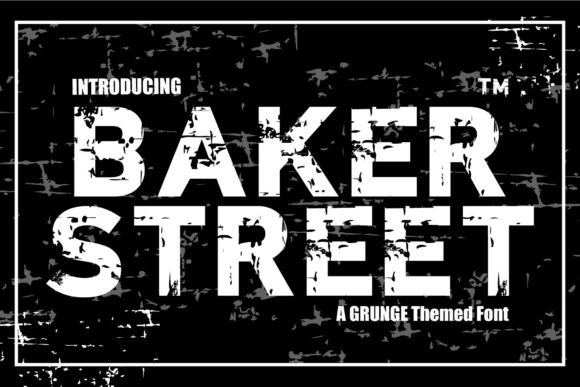
When you are looking to make a statement that cannot be ignored, the typography you choose does more than just convey words—it sets the emotional tone of your entire project. Baker Street is not a font designed for whispering; it is a bold, incredibly cool, and assertive display typeface built to shout from the rooftops. If you have stumbled upon this geometric powerhouse and are wondering how to wield it effectively, you are in the right place. This guide cuts through the noise to help you understand why Baker Street works, where it shines, and, perhaps more importantly, where it might trip you up if used carelessly.
Understanding the Personality of Baker Street
At its core, Baker Street is a display font characterized by its strong verticality and clean, modern lines. It draws inspiration from the kinetic energy of urban environments, making it an ideal candidate for themes related to speed, sports, technology, and high-energy lifestyle brands. The letters feel engineered rather than drawn, giving them a sense of precision and forward momentum.
Designers often gravitate toward Baker Street because it commands attention immediately. Unlike serif fonts that invite leisurely reading or delicate script fonts that suggest elegance, Baker Street demands action. It is assertive without being aggressive, cool without being cold. This balance makes it versatile enough for everything from athletic event posters to tech startup landing pages. However, its strength is also its greatest challenge. Because it is so dominant, it requires a respectful and strategic approach to integration.
The Trap of Overuse: When Bold Becomes Loud
The most common mistake creators make with Baker Street is treating it as a general-purpose body text font. While it is undeniably attractive, using it for long paragraphs of copy is a recipe for reader fatigue. Display fonts like Baker Street are designed for headlines, titles, and short bursts of text where impact matters more than readability over extended periods.
If you force users to read dense blocks of text in Baker Street, you risk alienating your audience. The thick strokes and distinct geometric shapes create visual weight that tires the eye quickly. This can lead to higher bounce rates on websites, lower engagement with blog posts, and a general sense of visual clutter in print materials. The solution is simple but often overlooked: limit the usage. Use Baker Street for headers, logos, slogans, and key call-to-action buttons. Pair it with a neutral, highly readable sans-serif or serif font for the body text. This contrast allows the personality of Baker Street to pop while maintaining usability.
Misjudging Scale and Spacing
Baker Street has a unique character width and spacing rhythm that doesn't always behave intuitively. One subtle detail many designers miss is the importance of tracking (letter-spacing) and leading (line-height). Because the font is so bold, tight kerning can cause the letters to bleed into each other, creating a muddy, illegible mess. Conversely, excessive spacing can make the word feel disjointed and weak, losing the cohesive "block" effect that gives the font its power.
To avoid these pitfalls, always preview your text at the size it will actually appear. What looks balanced on a large headline might look sparse on a small button. Experiment with wider tracking for all-caps headlines to enhance that airy, premium sports aesthetic. For smaller sizes, ensure there is ample breathing room between lines. A good rule of thumb is to increase line height by 20–30% compared to standard body text when using Baker Street for subheads. This prevents the heavy descenders and ascenders from colliding, ensuring clarity.
Color and Context Matter
A frequent oversight is applying Baker Street against busy backgrounds or low-contrast colors. The assertive nature of the font relies on clear definition. If you place black Baker Street text on a dark gray background, or white text on a light beige image, the font loses its sharp edges and fails to communicate effectively. This is particularly relevant for digital marketers running ads; if your CTA button text isn't instantly legible due to poor contrast, your conversion rates will suffer regardless of how compelling your offer is.
Instead, embrace high contrast. Baker Street looks stunning in stark black and white, or when paired with vibrant accent colors like electric blue, neon green, or fiery red. These combinations reinforce the themes of speed and energy inherent in the typeface. If you need to use it on a complex background, consider adding a solid color overlay or a drop shadow to separate the text from the imagery. Don't let the beauty of the font be compromised by environmental factors.
Licensing and Commercial Viability
Before downloading or purchasing Baker Street, it is crucial to verify the licensing terms. Many free resources online offer fonts that are strictly personal-use only. Using such a font for a client project, a business logo, or a commercial product packaging can lead to legal issues and unexpected costs. Baker Street is available through various reputable foundries, and while prices vary, investing in a proper license ensures you have the right to use the font across different media—web, print, and broadcast.
Always check the specific EULA (End User License Agreement). Some licenses cover unlimited projects, while others limit usage to a certain number of impressions or devices. For freelancers and small business owners, understanding these distinctions protects your reputation and your wallet. It is better to pay a fair price for a license than to face takedown notices later. Look for vendors that provide clear documentation and customer support, as this adds value beyond just the font files themselves.
Pairing Strategies for Maximum Impact
One of the best ways to elevate your designs with Baker Street is to pair it correctly. Since Baker Street is a strong display font, it needs a quiet partner. Avoid pairing it with other decorative or bold fonts, as this creates visual competition. Instead, opt for clean, minimalist sans-serifs like Helvetica, Roboto, or Open Sans for supporting text. These neutral companions allow Baker Street to take center stage without distraction.
- For Sports Themes: Pair Baker Street with italicized, dynamic sans-serifs to emphasize motion and urgency.
- For Tech Brands: Combine it with monospaced fonts for code snippets or technical data, creating a juxtaposition between human-centric design and machine precision.
- For Lifestyle Blogs: Use Baker Street for section headers and pair it with a classic serif for body text to add a touch of editorial sophistication.
Final Thoughts on Execution
Baker Street is a tool for communication, not just decoration. Its success lies in how well it serves the message you are trying to convey. Whether you are designing a poster for a marathon, a banner for an e-commerce sale, or a title slide for a pitch deck, remember that clarity and context are king. By avoiding common mistakes like overuse, poor spacing, and low contrast, you can harness the full potential of this assertive typeface.
Take the time to experiment. Try resizing it, rotating it, or combining it with images that reflect movement and energy. The endless variations of Baker Street are waiting to be explored, but they require a thoughtful hand to unlock their true power. With the right approach, this font can transform ordinary designs into extraordinary experiences that resonate with your audience and stand the test of time.