White Hibiscus Font Review: Versatility for Modern Design Projects
In the crowded landscape of digital typography, finding a typeface that balances elegance with approachability is often a challenge. Many display fonts lean too heavily into ornamentation, becoming difficult to read or visually exhausting after prolonged exposure. Others are so minimalist they lack character entirely. White Hibiscus occupies a distinct middle ground, positioning itself as a display font designed to add a "simple and fun touch" to visual communication. For designers, marketers, and content creators aged 20 to 50 who need to convey warmth without sacrificing professionalism, understanding the specific utility of this font is essential.
This review examines White Hibiscus not merely as an aesthetic choice, but as a functional tool in the design workflow. We will analyze its characteristics, ideal use cases, limitations, and overall value for professionals ranging from freelance graphic designers to small business owners managing their own branding.
Understanding the Typeface Identity
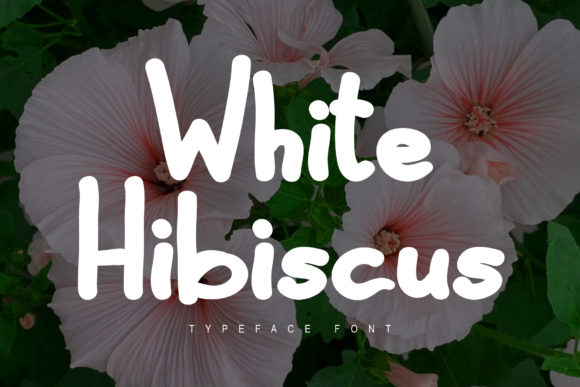
At its core, White Hibiscus is classified as a display font. This classification immediately signals its intended purpose: it is meant to be seen at larger sizes rather than used for body text. The name itself suggests organic forms—reminiscent of the flower’s delicate petals—but the execution is grounded in modern design principles. It avoids the excessive flourishes of Victorian-era scripts or the rigid geometry of some contemporary sans-serifs.
The font’s primary strength lies in its versatility. While many decorative fonts are niche, serving only specific themes like horror, retro, or luxury, White Hibiscus aims for broader applicability. Its style is described as simple yet engaging, making it suitable for projects that require a humanized, friendly tone. This makes it particularly relevant for today’s market, where brands are increasingly moving away from cold corporate aesthetics toward more relatable, authentic voices.
Key Visual Characteristics
- Legibility: Despite its decorative nature, the letterforms remain clear and distinguishable. This is crucial for maintaining readability on digital screens and printed materials alike.
- Tone: The font exudes a sense of lightness and joy. It does not feel heavy or authoritative, which allows it to soften the message it carries.
- Adaptability: It pairs well with simpler, neutral fonts. When used as a headline, it can anchor a design while allowing supporting text to provide structure.
Practical Applications in Professional Design
One of the most common questions designers face is whether a specific font fits their project scope. White Hibiscus shines in contexts where emotional connection is prioritized over strict informational density. Below are several scenarios where this typeface demonstrates significant practical value.
Wedding and Event Stationery
The wedding industry relies heavily on typography to set the mood of an event. Couples often seek fonts that feel personal and celebratory. White Hibiscus is an excellent candidate for wedding invitations, save-the-dates, and thank-you cards. Its "fun" attribute aligns perfectly with the celebratory nature of weddings, while its clean lines prevent the design from looking cluttered or dated. Unlike overly script-like fonts that can be hard to read for older guests, White Hibiscus offers clarity alongside charm.
Social Media and Digital Content
For bloggers, influencers, and social media managers, visual hierarchy is critical. A single post needs to capture attention within seconds. Using White Hibiscus for quotes, headers, or key takeaways can break up dense text and draw the eye. Because it is a display font, it works best when used sparingly. A well-crafted quote card featuring White Hibiscus against a clean background can perform significantly better than one using standard serif or sans-serif fonts, simply because the unique shape of the letters creates visual interest.
Branding and Logo Design
Small business owners and entrepreneurs often struggle to find logos that feel both established and approachable. White Hibiscus can serve as a strong foundation for brand identities in sectors such as lifestyle, wellness, crafts, and boutique retail. However, caution is advised. As a display font, it should generally be reserved for the logotype itself if the business name is short. Using it for long strings of text in a logo can reduce legibility and scalability, especially when the logo is resized for favicons or mobile views.
Evaluating Usability and Workflow Integration
From a technical standpoint, the usability of any font depends on how easily it integrates into existing design software and workflows. White Hibiscus is designed for straightforward implementation. It does not require complex kerning adjustments or extensive manual spacing corrections, which saves time for freelancers and agencies working under tight deadlines.
Pairing Strategies
To maximize the effectiveness of White Hibiscus, pairing it correctly with secondary typefaces is vital. Since White Hibiscus has personality, it should be balanced by a more neutral companion font. Recommended pairings include:
- Minimalist Sans-Serifs: Fonts like Helvetica, Arial, or Lato provide a clean contrast that lets White Hibiscus stand out without competition.
- Classic Serifs: For a more traditional look, a simple serif font can add weight and stability to designs led by the lighter display font.
Avoid pairing White Hibiscus with other decorative or script fonts. Doing so creates visual noise and reduces the impact of both typefaces. The goal is harmony, not chaos.
Limitations and Considerations
No single font is a universal solution, and White Hibiscus is no exception. Understanding its limitations is just as important as recognizing its strengths. Misapplication of this font can lead to poor design outcomes.
Not Suitable for Body Text
As a display font, White Hibiscus lacks the fine detail and consistent stroke width required for comfortable reading in paragraph form. Using it for long-form content, such as blog posts, articles, or terms and conditions, will fatigue the reader and harm accessibility. Always reserve this font for headlines, titles, and short phrases.
Contextual Appropriateness
While versatile, White Hibiscus may not fit every brand voice. It conveys friendliness and creativity, which might clash with industries requiring strict authority or seriousness, such as legal firms, financial institutions, or medical services. In these contexts, the "fun" aspect could undermine credibility. Designers must carefully assess the brand personality before recommending this typeface.
Scalability Issues
Like many display fonts, White Hibiscus may lose some of its nuance when scaled down to very small sizes. On low-resolution screens or in print formats with limited DPI, the details of the letterforms might blur. Test the font at various sizes before finalizing any design to ensure it remains crisp and recognizable.
Who Benefits Most from White Hibiscus?
Identifying the right audience helps determine whether this font is a worthwhile investment. White Hibiscus is particularly beneficial for:
- Freelance Graphic Designers: Those looking for a quick, effective way to add polish to client projects without spending hours customizing letterforms.
- Small Business Owners: Entrepreneurs who create their own marketing materials and need a font that elevates their brand image with minimal effort.
- Content Creators: Bloggers and YouTubers who produce graphics for thumbnails and social media posts and need text that pops.
- Event Planners: Professionals designing stationery and signage for weddings, parties, and corporate retreats.
For these groups, White Hibiscus offers a high return on investment in terms of time saved and aesthetic improvement achieved. It removes the guesswork from typography selection, providing a reliable option that aligns with current trends toward warm, human-centric design.
Long-Term Value and Conclusion
Typography trends come and go, but foundational design principles endure. White Hibiscus taps into the enduring appeal of fonts that feel personal and inviting. Its ability to adapt across multiple mediums—from print invitations to digital banners—makes it a flexible asset in any designer’s toolkit.
However, its value is contingent on proper usage. It is not a replacement for body copy, nor is it a substitute for thoughtful layout and color theory. When used intentionally, as a focal point to enhance a message rather than distract from it, White Hibiscus delivers exceptional results. It allows creators to communicate with a blend of simplicity and flair, meeting the demands of modern audiences who appreciate authenticity and clarity.
For professionals seeking to add a touch of elegance and fun to their work without compromising on readability or professionalism, White Hibiscus stands out as a practical and stylish choice. By integrating this font into projects where emotion and engagement are key, designers can create memorable experiences that resonate with their target audience. Whether you are crafting a wedding invitation suite or launching a new brand identity, evaluating White Hibiscus as part of your typographic strategy is a step toward more effective and appealing visual communication.