The Animals Font Evaluation
In the expansive landscape of digital typography, selecting the right typeface is often a matter of balancing aesthetic appeal with functional clarity. For designers working in specific niches—such as children’s media, playful branding, or whimsical editorial layouts—the need for a font that conveys warmth and charm is paramount. The Animals is a display font that has gained attention for its cute and charming characteristics. This evaluation explores the design attributes of The Animals, analyzes its potential applications, and provides practical insights to help creators determine if it aligns with their project requirements.
Understanding the Design Language of The Animals
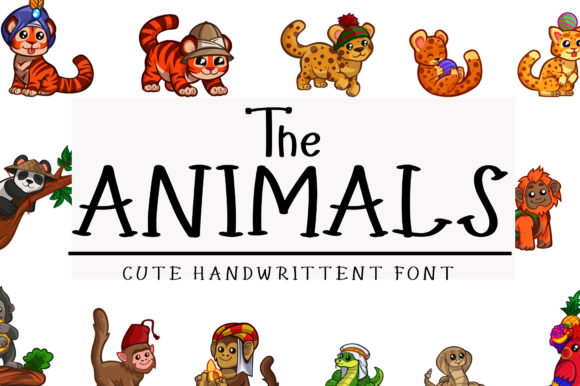
The Animals is categorized primarily as a display font. Unlike text fonts designed for long-form readability, display fonts are intended to be used at larger sizes where their unique stylistic features can be fully appreciated. The core identity of The Animals lies in its ability to evoke a sense of playfulness and innocence. Its letterforms typically feature rounded edges, irregular spacing, or hand-drawn qualities that suggest a human touch rather than mechanical precision.
When evaluating this typeface, one must consider its visual weight and legibility. Cute fonts often sacrifice strict geometric consistency for character. In the case of The Animals, the charm comes from its organic feel. It mimics the style of handwriting or illustration, which makes it particularly effective in contexts where a brand wants to appear approachable, friendly, and non-corporate. However, this stylistic choice inherently limits its utility in dense body copy, as the irregularities that create charm can hinder rapid reading speeds.
Key Applications and Use Cases
To understand the value of The Animals, it is helpful to look at where it performs best. The font’s specific aesthetic makes it a strong candidate for several distinct categories of design work.
- Children’s Media and Education: One of the most natural fits for The Animals is in content targeting young audiences. Whether for coloring books, educational apps, or elementary school worksheets, the font’s inviting nature helps lower the intimidation factor of text for early readers.
- Cartoon and Illustration Projects: For graphic designers creating assets for cartoons, comics, or animated series, The Animals can serve as a headline font that complements illustrative elements. Its playful strokes often pair well with soft colors and rounded graphic shapes.
- Event and Party Branding: Invitations for birthdays, baby showers, or casual gatherings benefit from the celebratory tone of this font. It communicates joy and informality without requiring additional decorative elements.
- Niche Product Packaging: Brands selling toys, snacks, or craft supplies may use The Animals to signal that their products are fun and family-oriented. On packaging, large display text needs to grab attention quickly, and the unique shape of these letters aids in shelf visibility.
Evaluating Benefits and Tradeoffs
No single typeface is a universal solution. When considering The Animals, designers must weigh its strengths against its limitations to ensure it serves the project’s goals effectively.
Benefits
The primary advantage of The Animals is its immediate emotional resonance. It establishes a mood instantly. A designer does not need to rely on complex imagery to convey "fun" or "child-friendly"; the typography itself carries that message. This efficiency is valuable in fast-paced design environments. Furthermore, because it is a display font, it offers high versatility within the context of headlines and titles. It can act as a standalone graphic element, reducing the need for additional icons or embellishments in simple compositions.
Tradeoffs and Limitations
The most significant tradeoff is legibility in extended text. Using The Animals for paragraphs of body text will likely result in reader fatigue. The quirks that make it cute also make it harder to scan quickly. Additionally, there is the risk of overuse. Because "cute" is a popular aesthetic, using The Animals in every child-related project can lead to a generic look. Designers must ensure that the font supports their broader brand identity rather than overshadowing other design elements.
Another consideration is technical compatibility. While most modern web browsers handle standard web fonts well, custom display fonts can sometimes render inconsistently across different operating systems. It is crucial to test how The Animals appears on mobile devices versus desktop screens, especially if kerning (spacing between characters) is tight.
Situational Fit: When to Choose The Animals
The decision to license or download The Animals should be driven by the specific communicative goals of the project. It is a strong fit when the priority is tone over information density.
If you are designing a logo for a pet grooming salon, a banner for a kids' coding camp, or a title slide for a presentation about animal welfare, The Animals provides an appropriate visual voice. It signals that the content is light-hearted and accessible. It is also a good choice when the target audience includes parents or caregivers who respond positively to nostalgic or handmade aesthetics.
Conversely, alternatives may be worth considering if your project requires a more mature or professional tone. If you are designing a website for a financial service aimed at families, The Animals might undermine credibility. In such cases, a clean sans-serif or a structured serif font would better balance trustworthiness with approachability. Similarly, if the design involves heavy data visualization or long instructional manuals, a highly readable text font is essential, and The Animals should be relegated to occasional accents only.
Practical Decision-Making Insights
For designers currently evaluating The Animals, the following steps can help finalize the decision:
- Contextual Testing: Do not judge the font in isolation. Place it alongside your actual content. Create mockups of both a headline and a short paragraph. Assess whether the font remains legible and appealing in both scenarios, or if it fails in the latter.
- Pairing Compatibility: Determine what font pairs well with The Animals. Typically, a neutral, simple sans-serif works best as a secondary font to ground the playfulness of the display text. Test combinations to ensure they do not clash visually.
- Licensing Verification: Ensure you understand the licensing terms. Some free fonts have restrictions on commercial use. Verify that you have the right to use The Animals for your specific purpose, whether it is for personal projects, client work, or merchandise.
- Brand Alignment: Ask whether the "cute" persona of the font aligns with your brand values. If your brand is known for innovation or seriousness, this font may send mixed messages.
Conclusion
The Animals is a specialized tool in the typographer’s kit. It is not a general-purpose font but a targeted solution for designs that require a touch of whimsy and charm. Its strength lies in its ability to communicate friendliness and creativity instantly. By understanding its limitations regarding readability and its specific niche in children’s and playful media, designers can make informed decisions about its application. When used strategically, The Animals can enhance the emotional impact of a design, making it a valuable asset for projects that aim to connect with audiences on a warm, personal level.