Green Frog: The Quirky Typographic Choice for Modern Brands
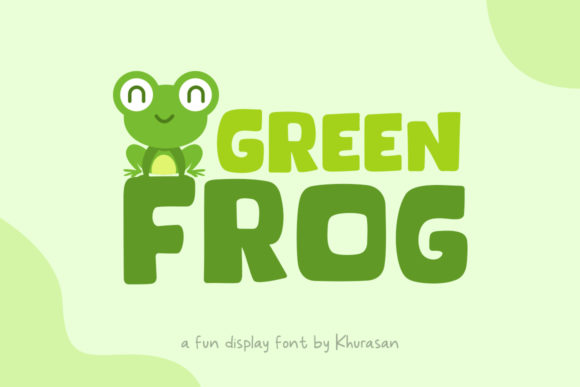
In a digital landscape saturated with sterile sans-serifs and rigid geometric forms, Green Frog emerges as a refreshing breath of fresh air. This cute and fun display font is carefully crafted to become a true favorite among designers who value personality alongside precision. Its casual charm makes it appear wonderfully down-to-earth, readable, and ultimately incredibly versatile. For professionals seeking to inject warmth and approachability into their visual design projects, understanding the strategic application of such distinctive typefaces is essential.
Typography is never just about legibility; it is a primary driver of brand identity and emotional connection. When you select a font like Green Frog, you are making a deliberate choice to communicate friendliness, creativity, and accessibility. Whether you are working on a startup’s logo design or curating social media graphics for a lifestyle brand, the right typographic asset can elevate your creative assets from ordinary to exceptional. Let’s explore how this unique typeface fits into modern graphic design workflows and why it deserves a spot in your toolkit.
The Role of Personality in Visual Communication
Modern aesthetics often lean toward minimalism, but that does not mean designs must be emotionless. In fact, brands that successfully blend clean layouts with playful typography often see higher engagement rates. Green Frog offers a perfect balance. It maintains enough structure to remain clear at various sizes while retaining a hand-drawn, organic feel that resonates with human audiences.
This font excels in creating a strong visual hierarchy when used correctly. Because it is a display font, it commands attention. However, its inherent readability ensures that the message is not lost in the style. This duality makes it an excellent choice for headlines, pull quotes, and key messaging points where you need to stop the scroll and capture interest immediately.
Practical Applications in Branding and Design
The versatility of Green Frog allows it to span multiple disciplines within graphic design. Here is how it can enhance specific areas of your creative projects:
- Branding and Logo Design: Use Green Frog for wordmarks in industries like food and beverage, children’s products, or wellness. It conveys a sense of natural, unpretentious quality that aligns well with eco-friendly or artisanal brand identities.
- Social Media Graphics: In the fast-paced world of digital marketing, eye-catching text overlays are crucial. This font adds a touch of whimsy to Instagram posts, Facebook ads, and Pinterest pins, helping content stand out in crowded feeds.
- Packaging Design: For physical products, packaging is your first point of contact. A friendly font like Green Frog can make a product look more inviting on the shelf, suggesting a positive user experience before the item is even opened.
- Editorial and Web Design: While body text should typically remain neutral, using Green Frog for section headers or call-out boxes in editorial design or web interfaces can break up monotony and guide the reader’s eye effectively.
Evaluating Usability and Compatibility
When integrating Green Frog into your design workflow, it is important to consider scalability and compatibility. A great creative asset must perform well across different mediums, from small mobile screens to large-format print materials. Because Green Frog has distinct character shapes, ensure that it remains legible when scaled down for favicons or app icons.
Pairing is also critical. To maintain a professional presentation, pair Green Frog with simpler, more neutral typefaces for supporting text. A clean sans-serif or a classic serif can provide the necessary contrast, allowing the display font to shine without overwhelming the composition. This combination strengthens the overall brand system by providing both structure and flair.
Color Palette and Composition Tips
The impact of Green Frog can be further amplified through thoughtful use of color and composition. Since the font itself carries significant visual weight, avoid cluttering the design with excessive decorative elements. Instead, let the typography be the focal point. Consider using a complementary color palette that enhances the font’s natural warmth—earthy greens, soft yellows, or muted blues work particularly well to reinforce the “frog” theme without being literal.
Furthermore, pay attention to spacing. Display fonts often require slightly more tracking (letter-spacing) than standard body text to ensure clarity. Proper kerning and leading will prevent the characters from feeling cramped, preserving the airy, down-to-earth vibe that defines the font’s appeal.
Ultimately, choosing the right typography is about more than just picking a pretty style; it is about solving communication problems creatively. Green Frog stands out as a tool that bridges the gap between professionalism and playfulness. By incorporating such high-quality, purpose-driven design elements, you not only improve the aesthetic quality of your work but also foster deeper connections with your audience. In a world where first impressions matter, letting your brand speak with a clear, charming voice can make all the difference in achieving your design goals.